INTRODUCTION
Outline of the contentious issues and ethical issues
Sports as we all know is one of the largest revenue generating aspects of the entertainment industry to date. Included within this industry is the intercollegiate regime of sports that governs post secondary activities such as basketball, football, soccer, etc. There are many large businesses that run these intercollegiate teams such as the NCAA, ACC, and SEC; all who present themselves as non profit organizations.
A contentious topic that surrounds these organizations is the method of payment for the student athletes, rather the lack thereof. The dilemma presented advocates that student athletes are being exploited by a higher power, which in this case is the NCAA and large businesses that capitalize on hierarchical positions. The hegemonic relationship between athletes and coaches is more than just clear, it is viewed through their income. Parent (2004) expresses this dilemma has been occurring for decades. He describes the oppression of athletes as making thousands of dollars for their team’s coaches with nothing in return but mere status as an athlete. Razack (2020) explains the notion of ethical dilemmas within a physical field of work such as sports at an intercollegiate level— stating that “ethical responsibility to employees and staff” is a predicament that is observed within sports due to the lack of payment for student athletes. Stakeholders within this dilemma are the athletes that wish to participate in these intercollegiate level sports—as they progress throughout a system for sports, they generate money for companies with little to no revenue in return making them easily replaceable (Nawaz, 2020;Parent, 2004). Why should a 21 year old basketball player be vulnerable to corporate greed and power imbalances within a sports game?
Vulnerability as an athlete is a critical topic and needs careful attention considering the students are surrounded by multi-millionaires who hold prestigious positions on determining their sports career within education.
This blog expresses the power relations between the two oppositions as well as shifts towards autonomy within intercollegiate sports and payment. We will be reviewing articles that present discourses surrounding race, vulnerability, and autonomy, as well as the faux beneficence projected upon student athletes from large corporations such as the NCAA. In addition, we will be exercising analyses on surveillance and privacy acts that express exploitation concerns for athletes such as YouTube channels and advertisements. Exploitation of student athletes will be reviewed and critically analyzed for a deeper understanding of methods of combating inequitable sources as well as suggestions on how to learn more about this topic.
The NCAA logo: widely known as a symbol of sports, play, and expression of freedom. Or is it?
FRAMING
Contextualization of the exploitation of student athletes
In 1994 18 players died on the football field and 159 athletes acquired life altering injuries (Johnson, 2020). Athletes have been putting their lives on the line for decades without proper compensation. It was after these injuries where turnout for events started to decrease due to the public losing interest and being un-entertained by these serious injuries resulting in the creation of the NCAA in an attempt to bring back the profitable business.
It was 1906 when the NCAA was created with the visions of “protecting young people from the dangerous end exploitative athlete’s practices of the time” (Johnson, 2020). These athletes they were protecting at the time were all white due to the support of the Jim Crow legislation at the time. The Jim Crow laws insured segregation and disenfranchisement of black people and dominated American for 75 years beginning in the 1890s (Jim Crow Laws). The laws affected almost every aspect of daily life, mandating segregation of schools, parks, libraries, drinking fountains, and so much more (Jim Crow Laws). “Whites Only” and “Colored” signs were constant reminders of the racial order the whites insured they had (Jim Crow Laws). Diana Nash highlighted her experience with the Jim crow laws in an interview with Freedom Riders;
“The very fact that there were separate facilities was to say to black people and white people that blacks were so subhuman and so inferior that we could not even use the public facilities that white people used”(Jim Crow Laws).
It was not until 1969 where blacks and white would be allowed to play together (Johnson, 2020). This was a positive turn but did not last long. The NCAA did not put the protection of these black athletes high on their priority list and once again the serious injuries and deaths began again just like in 1994 (Johnson, 2020).
Walter byers created the term “student athlete” which only brought people more trust in a company that was exploiting their athletes for their talent and totally disregarding their safety while profiting millions (Johnson, 2020).
The head coach of the University of Clemson signed a $93 million contract and in 2014 said he would quit coaching if the NCAA decided to pay their players (Johnson, 2020). As the majority of his team is made up of black players and he doesn’t believe these players, who bring in the income to pay his salary, deserve compensation, highlighting the racism and exploitation the NCAA allows to happen in order to continue profiting off their predominantly black athletes.
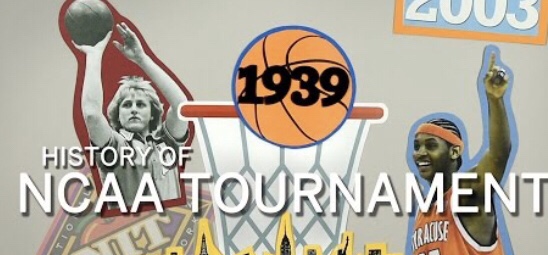
Click the following link to view Part 1 that explains the brief history of the NCAA. This video will describe the issues and context of how the NCAA has prevailed through injustice acts: https://youtu.be/dr7gQbRmvo8
ARGUMENT
Power
The history of the NCAA’s ethical conduct has been amorphous per se; there is not a clear stance as to how they are supporting their athletes as much as they are supporting themselves. For example, Academy (2016) explains the multiple ethical violations that the NCAA has committed in the year 2016, which includes improper academic certifications, registrations, and recruitment violations towards student athletes. Academy (2016) states, “coaches and administrators violate NCAA rules in an attempt to have any competitive advantage” suggesting that there is one main goal for these coaches and team owners: to win. They do not care about the players and will wave violations just to follow capitalist views of profiting. This example expresses the power relations between student athletes and large businesses as well. Students in this case, have very little power due to their income and hierarchical disadvantages—adhering to contracts, signing away their privacy, and working for a larger business.

Capitalism and Surveillance
Not only are the students being used to gain profit through competition, but they are an object for these businesses. Academy (2016) and Koran (2019) explain that student athletes are not being paid for any of their games, they gain the status of an athlete and play. That’s it. This suggests the corruption that has occurred within sport. Capitalist ideas are enforced greatly within the entertainment business such as merchandise, special seating at games, and the overarching payments that coaches and team owners receive compared to athletes.
Another example was advocated through an article presented by Koran (2019) which expresses the concern of privacy and surveillance. A football player who plays for the NCAA began creating YouTube content and generating revenue from “a day in the life of a student athlete” type of videos. Koran (2019) states that when the NCAA found these videos and the money he was making, he was given an ultimatum to take down the videos or lose his status and role as an athlete. Considering how quick the corporation was able to pick up on the fact that this athlete was making money from athletic style videos suggests micro management on their behalf. Large businesses such as the NCAA in this case clearly have surveillance on their players time and time over again, expressing little privacy for the individuals to do as they please without an authoritative figure watching over them. How much surveillance do athletes need? Why are they managed 24/7 when signed within these large businesses? Considering the NCAA does not pay the student athletes, the videos were the player’s only source of income at the time and it was stripped away in a matter of days once the media released what he was accumulating from recording (Koran, 2016). This situation is a prime example of the Hegemonic Structures placed in these universities by the NCAA.
These universities are maintaining structures of domination by ruling class constructs resulting in major inequities and social injustice for these student athletes (Razack, 2020). Prior to the release of the fair pay to play act within the NCAA ,which was sparked by the video incident expressed by Koran (2016), players had little to no autonomy within their past times. After this act was implemented, players were given the right to self govern their ability to profit off of advertisements, videos, sales, etc as long as the company was not previously associated with the NCAA.
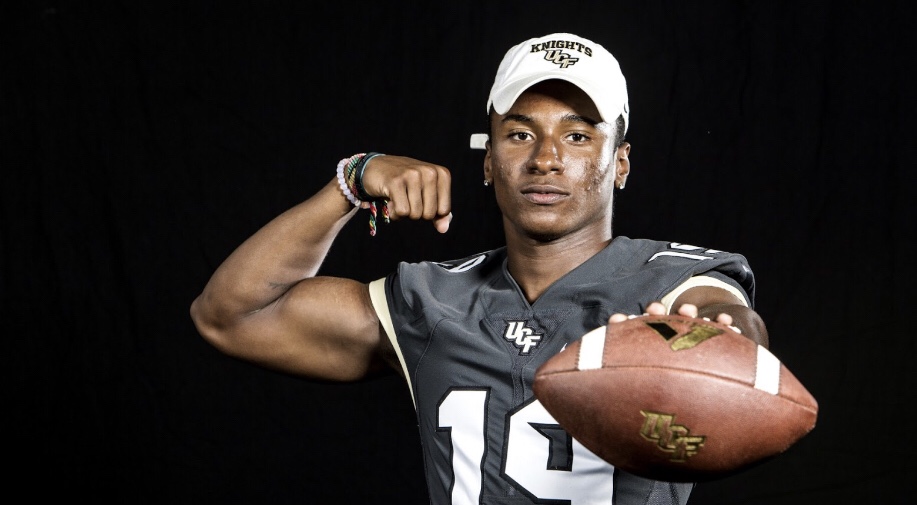
https://www.orlandosentinel.com/sports/ucf-knights/os-sp-ucf-kicker-lawsuit-20180202-story.html
Former UCF YouTube kicker Donald De La Haye files lawsuit against Knights
Vulnerability
Moreover, vulnerability is another prominent theme that coincides with the exploitation of student athletes. In particular, lower income student athletes are much more vulnerable to the injustice and exploitation that the NCAA expresses than higher income students (Parent, 2004; Koran, 2019). An example of this phenomenon is during an interview by Parent (2004) who questioned the athletes about their income and related it to joining the NCAA. In particular, during the time of the interview (early 2000s) the NCAA provided no method of feeding their players, payments for food or any family benefits. This is ironic for the fact that student’s feel as though joining a higher sports team (such as the NCAA) allows an escape from poverty or lower income in order to assist themselves and family. This suggests the vulnerability that lower income families have to large businesses such as the NCAA.
In addition, exploitation is expressed through a concept of “paper classes” which are elementary level college classes designed to be a fail safe for student athletes (Johnson, 2016). This is a great example of how the sports system (particularly, NCAA) uses the vulnerability of athletes for greater power gain. They exploit athletes through academics and advocate for a façade of importance, only to neglect payment for the due diligence of play. The gain? Over 14 billion dollars in revenues from collegiate games—none of this money goes directly to the athletes (Koran, 2019; Johnson, 2016; Parent, 2004).
ETHICS AND POWER
In 2019 alone, the NCAA generated 867.53 million U.S dollars in revenue from television and marketing rights (Gough, 2020).
The NCAA sets strict rules and places major surveillance on their players to uphold these rules. NCAA athletes are strictly prohibited from receiving payment from their work or service to the team. Student athletes take part in endorsements, appearances, and advertisements that directly makes the NCAA millions of dollars while the athletes are left with no income for theseservices (Stieber, 1991). This ethical dilemma has been accelerating as the power of the NCAA has increased over the years.
These student athletes are in vulnerable positions in their transition between highschool and college which is being exploited by the NCAA. The NCAA is arguably a monopoly, making them a single buyer that controls the demand for these student athletes and results in them receiving high profit while inhibiting competition (Stieber, 1991). This results in the NCAA having all the power while unethically justifying withholding adequate compensation fortheir athletes. The restrictions placed on student athletes prohibit them from receiving any income other than their scholarship payments (Stieber, 1991). When compared to other divisions in education, these restrictions on income do not exist. For example, for music students who receive scholarships there are no restrictions on how they make any further income (Stieber, 1991). They may play for concerts, events, and wherever they would like for income. This is another example of how the NCAA uses its power to unethically control the million-dollar industry of college sports.
The NCAA believes they have the authority and right to the student athlete’s which is morally and ethically unjust. The beneficence of these athletes is not being met as they are not being given equal benefits to their dedication and earnings for the NCAA due to the exploitation of these players.
CONCLUSION
Opinion, thoughts, and final take always
We believe that there needs to be enhanced ethical policies in place by the NCAA to return the athletes their social justice and power to stop this exploitation. This ethical responsibility must fall onto the NCAA and they must be held accountable. The vulnerability of these young athletes has been exploited long enough. The oppression of the athletes by the NCAA needs to be recognized as we shift towards autonomy within intercollegiate sports where payment must become a reality. The NCAA needs to be held responsible for their unethical violations, unethical surveillance, racism against black athletes, and capitalist ways that have resulted in major profit to their own privilege and power. It’s time to stop the exploitation and get the power in college sports back to the student athletes that keep it running.
References
Academy, U. S. S. (2016). Ethical Dilemmas in Collegiate Athletics: The Role of Coaches and the Codes of Ethic. Retrieved from http://thesportdigest.com/2011/07/ethical-dilemmas-in-collegiate-athletics-the-role-of-coaches-and-the-codes-of-ethic/
Gough, C. (2020, March 20). NCAA revenue by segment 2012-2019. Retrieved from https://www.statista.com/statistics/219605/ncaa-revenue-breakdown/#:~:text=The statistic shows the revenue,and marketing rights fees segment.
Jim Crow Laws. (n.d.). Retrieved from https://www.pbs.org/wgbh/americanexperience/features/freedom-riders-jim-crow-laws/
Johnson, D. (2020, May 26). Pay the Players: Racial equity and recognition in the NCAA. Retrieved from https://www.scalawagmagazine.org/2020/05/ncaa-student-athlete-pay-2/
Koran, M. (2019, October 5). ‘Game changer’: inside the fight to end exploitation of athletes at US colleges. Retrieved from https://www.theguardian.com/sport/2019/oct/04/ncaa-california-law-pay-student-athletes-colleges
Nawaz, A. (2020). Does NCAA decision about athlete earnings mean a ‘new era’ for college sports? Retrieved from https://www.pbs.org/newshour/show/does-ncaa-decision-about-athlete-earnings-mean-a-new-era-for-college-sports
Parent , C. (2004). Forward progress? An analysis of whether student athletes should be paid. Journal of applied ethics, 1(3), 220-246. doi: 11.1124/asr9342394722
Razack, S. (2020) Week 4: [PDF]. Retrieved from https://q.utoronto.ca/courses/156699
Stieber, J. (1991). The behavior of the NCAA: A question of ethics. Journal of Business Ethics, 10(6), 445–449. doi: 10.1007/bf00382827
 Justice For Athletes